
Multi-Vehicle Car Accidents: Determining Liability, Preserving Evidence, and Maximizing Recovery
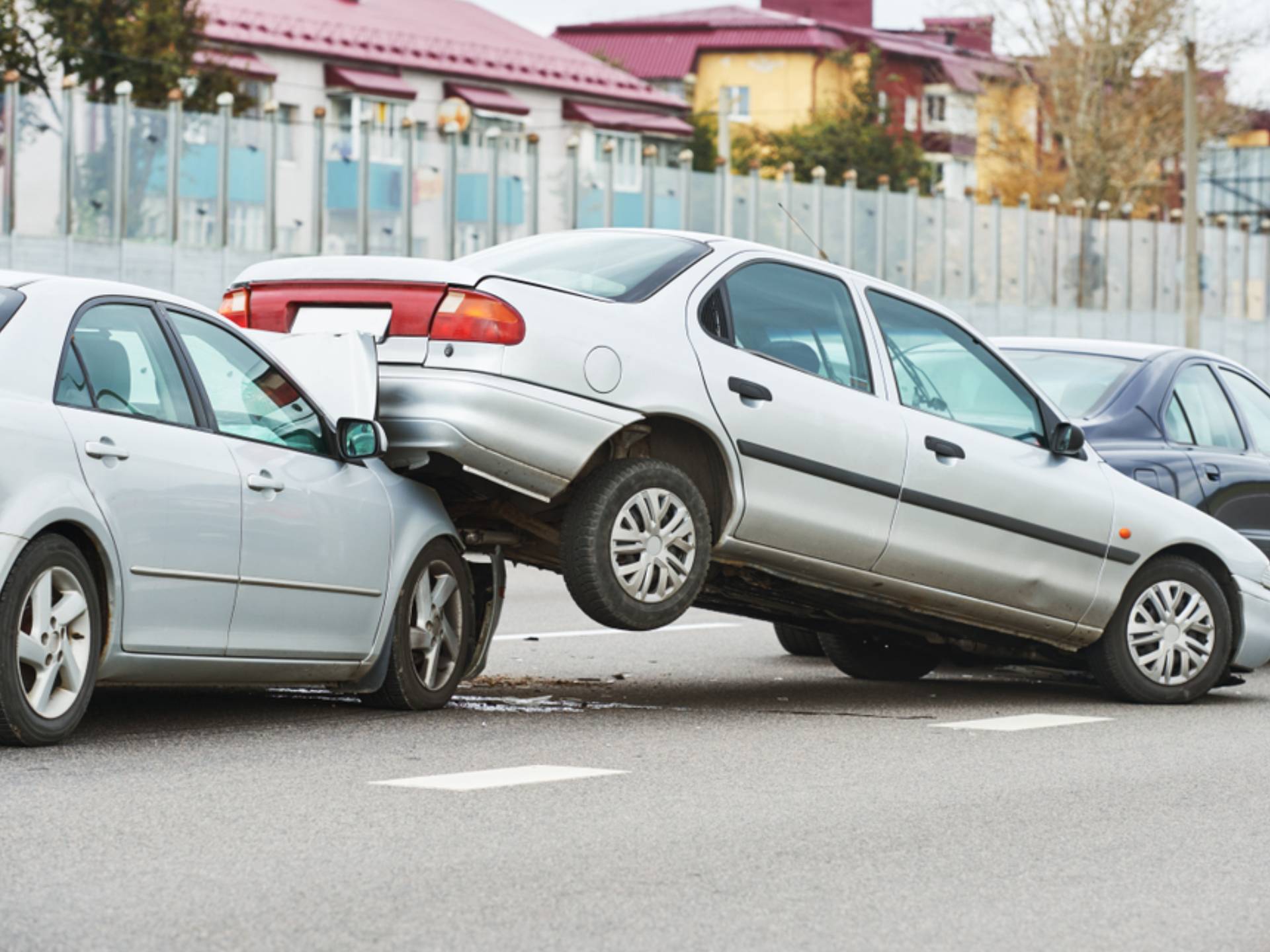
In Maryland, the sequence of a multi-vehicle accident case matters because the wrong version of the crash can threaten the entire claim. A Maryland car accident lawyer must place each vehicle, impact, injury, and insurance policy in the correct position before the insurance companies turn confusion into a defense. The sections below show how liability is mapped, how evidence is preserved, and how recovery is pursued when several drivers and insurers are involved.
Map The Vehicles Before Blame Is Assigned
Fault should not be assigned until the vehicle positions are clear. In a multi-car crash, the first question is not always “who hit whom?” The better question is where each vehicle was, what each driver could see, and what each driver had time to do before impact.
A Maryland personal injury lawyer should begin with the physical layout: lanes, traffic signals, merge points, turn lanes, shoulders, construction zones, weather, sightlines, stopped traffic, and the direction of each vehicle. A rear-end collision in a two-car crash may look simple. A rear-end impact in a five-car crash can be very different if one vehicle was already disabled, pushed forward, struck from the side, or forced into evasive movement by another driver.
The liability map should lock down:
- each vehicle’s lane, direction, and position before impact;
- the order of impacts and whether any vehicle was pushed forward;
- traffic signal timing, stop signs, merge areas, and lane closures;
- skid marks, debris fields, resting positions, and vehicle damage;
- witness locations and what each witness could actually see;
- whether any vehicle left the scene or caused a “phantom vehicle” issue.
A police report may help, but it should not replace the investigation. The officer usually arrives after the collision. A personal injury attorney in MD has to rebuild what happened before the scene was cleared, before cars were repaired, and before insurers begin protecting their own drivers.
Separate The First Collision From The Later Impacts
Multi-vehicle crashes often involve more than one collision. The first impact may create the danger, but later impacts may add separate fault and separate injuries. A driver who causes the first crash may be liable for the chain reaction. A later driver may also share responsibility if that driver was speeding, following too closely, distracted, impaired, or unable to stop because of unsafe driving.
Maryland law makes following distance important. Maryland Transportation § 21-310 prohibits following another vehicle more closely than is reasonable and prudent based on speed, traffic, and road conditions. In a chain-reaction crash, that rule can matter when a rear driver claims there was “no time” to stop. The question becomes whether a safe driver would have had more space, better attention, or more time to avoid adding another impact.
The first collision and later impacts should be separated carefully. A sedan may be stopped at a red light, hit from behind, then pushed into the vehicle ahead. A driver may change lanes suddenly and trigger braking, but a trailing vehicle may worsen the crash by following too closely. A commercial van may block a lane after impact, while another driver hits the disabled vehicle because of speed or distraction.
A Maryland personal injury attorney should not let one insurer describe the entire crash in a single sentence. Each impact must be timed, placed, and tested against the conduct of the driver involved.
Match Each Injury To The Impact That Caused It
Medical causation can become harder when a person is hit more than once. The defense may argue the injury came from a different impact, a preexisting condition, a later medical problem, or another driver’s conduct. In a serious multi-vehicle accident, the injury file must match the medical harm to the force, direction, timing, and mechanics of the crash.
A rear impact may cause neck and back injuries. A side impact may cause shoulder, hip, rib, head, or knee trauma. A second impact may worsen a concussion, aggravate a spinal injury, or explain why pain spread after the initial collision. The medical record should show when symptoms began, how they developed, what diagnostic testing showed, and how providers connect the injuries to the crash sequence.
In a multi-vehicle case, delayed symptoms should be documented quickly because insurers often use treatment gaps to argue the injury was minor or unrelated. An injury lawyer in Maryland should connect the injury proof to the collision proof. Medical records, imaging, emergency room notes, therapy records, vehicle damage photos, seat position, airbag deployment, and impact direction can work together to show which crash forces caused which injuries.
Test Every Driver’s Conduct Against Maryland Fault Rules
Every driver in a multi-vehicle crash should be tested against Maryland fault rules. The analysis may involve speeding, unsafe lane changes, distracted driving, failure to yield, red-light violations, impaired driving, following too closely, unsafe backing, sudden stops, aggressive driving, or failure to control speed for traffic conditions.
Maryland’s contributory negligence rule makes this analysis especially serious. In Coleman v. Soccer Association of Columbia, Maryland’s highest court kept contributory negligence rather than replacing it with comparative fault. In practical terms, an insurer may argue that even a small amount of fault by the injured person bars recovery.
That rule gives insurers a reason to search for blame. One insurer may claim the injured driver stopped too suddenly. Another may claim the injured driver failed to avoid the crash. A third may claim the injured driver was too close to the vehicle ahead.
Fault proof should be built with scene evidence, witness statements, traffic-camera footage, dash-cam clips, vehicle damage, traffic signal data, phone-use evidence, repair records, and crash reconstruction when needed. The goal is not only to prove what the other drivers did wrong. The goal is to keep the injured client out of the blame map.
Preserve Evidence Before Cars Are Repaired Or Scrapped
Evidence in a multi-vehicle crash can disappear quickly. Cars may be towed to different yards. Photos may be limited. Drivers may repair vehicles before inspection. Traffic footage may be overwritten. Dash-cam clips may be deleted. Witnesses may forget the order of impacts. A delayed investigation gives every insurer more room to argue about what cannot be proven.
A personal injury attorney in MD should move quickly to preserve the physical and digital record. Maryland law also recognizes reporting duties after injury crashes. Maryland Transportation § 20-107 requires certain reports and proof of liability insurance after accidents involving bodily injury or death.
The evidence preservation file may include:
- photographs of every vehicle from all sides before repair;
- tow-yard records, storage records, repair estimates, and total-loss files;
- dash-cam video, traffic-camera footage, surveillance video, and bus or rideshare footage;
- event data recorder information, vehicle diagnostics, and airbag deployment data;
- 911 calls, body-camera footage, police diagrams, and witness statements;
- medical records showing timing, symptoms, diagnosis, and treatment.
A Maryland personal injury lawyer should also send preservation demands when another driver, company, insurer, rideshare platform, employer, or property owner may have relevant evidence. Once the vehicles are gone, the case often becomes harder to prove.
Find Every Insurance Layer Before Settlement Talks
Recovery cannot be maximized until every insurance source is identified. Multi-vehicle crashes may involve several drivers, several owners, employer policies, rideshare coverage, rental car issues, commercial coverage, umbrella coverage, uninsured motorist coverage, and underinsured motorist coverage.
Maryland automobile policies include protection for accidents caused by uninsured motorists, according to the Maryland Insurance Administration. The same agency explains that Maryland policies include uninsured and underinsured motorist coverage for bodily injury and property damage, subject to policy terms and elections through UM/UIM coverage information. In a multi-vehicle crash, those coverages may become critical if one driver has low limits, no coverage, or disputed responsibility.
The insurance review should identify:
- liability coverage for each at-fault driver;
- vehicle owner coverage when the driver did not own the car;
- employer or commercial coverage if a driver was working;
- rideshare coverage if Uber, Lyft, or another app was active;
- UM/UIM coverage through the injured person’s own policy;
- umbrella, excess, rental, or household policies that may apply.
A Maryland car accident lawyer should not discuss settlement seriously until the insurance map is clear. A low policy limit from one driver may not be the end of recovery if another negligent driver, commercial policy, or UM/UIM claim is available.
Defeat The “Everyone Was At Fault” Defense
The most common defense in a multi-vehicle crash is confusion. Each insurer may point somewhere else. The rear driver blames the middle driver. The middle driver blames the first driver. The first driver blames a sudden stop, a phantom vehicle, or poor visibility. When everyone points at everyone else, the injured person can be left with delay, denial, or a low offer.
Maryland’s contributory negligence rule makes that tactic dangerous. The defense does not need to prove the injured person caused the whole crash. It may only try to create enough blame to threaten recovery. A best personal injury lawyer in Maryland should build a clear liability narrative before insurers use uncertainty as leverage.
The strongest response is order. The claim should show where each vehicle was, which driver created the first danger, which drivers added later impacts, what injuries came from the collision forces, which policies apply, and why the injured client should not be blamed. This is where accident lawyers in Maryland add value beyond claims paperwork. The lawyer’s work is to turn a messy crash into a proof-driven case.
Trial readiness also matters. Insurers evaluate risk differently when the evidence is organized, witnesses are identified, medical causation is documented, and every available policy has been reviewed. Maryland Courts and Judicial Proceedings § 5-101 generally requires civil actions to be filed within three years from the date they accrue unless another statute gives a different deadline. Evidence should be preserved long before that deadline becomes urgent.
Build The Liability Map with the Best Car Injury Attorneys Before Insurers Redraw The Crash
A multi-vehicle car accident claim requires more than a police report and a repair estimate. The case must place every driver, impact, injury, witness, and insurance policy in the correct position before insurers rewrite uncertainty into a defense. The Law Office of Ben Evan can investigate the crash sequence, preserve key evidence, review every insurance layer, and pursue recovery for injured Maryland motorists. If you need a Maryland car accident lawyer after a multi-vehicle collision, contact us today to discuss the proof that may protect your claim.